
Wimmera CMA Website : http://www.wcma.vic.gov.au : May 25, 2013, 7:05am
Works on Waterways PermitsEmploymentTendersContact UsPublications

Wetlands

Wetlands

WetlandsWetlands occur inbetween land and water environments. 'Wetland' is a term used to describe environments that are subject to surface inundation that results in development of wetland soils and wetland plants.

In Victoria, wetlands are classified according to water depth, how long water persists, and timing*.

* In reality all wetlands are temporary; it depends on the time scale in which you look at them.  

Wimmera wetlands

The Wimmera contains over 3000 wetlands. A large number of these are on private property, particularly in the Millicent Coast Basin (West Wimmera) and Natimuk-Douglas areas.

An extensive series of wetlands runs across the south-western Wimmera plains, while a number of salt lakes occur in the depression from Douglas up past Mt Arapiles to the Little Desert National Park.

Why are Wimmera wetlands important?

WetlandsWetlands are a significant feature in the Wimmera landscape with approximately 25% of Victoria’s wetlands occurring in the region. Wetlands are of immense value to the health of our environment and lifestyle. Wetlands occur in many different forms - each has its own unique ecosystem of plants and animals that depend on the wetland for food, water and habitat. Wetlands provide many valuable and essential ‘free’ services such as:

  • Regulating stream flow to help slow flooding after storms
  • Helping cleanse water of pollution and sediment
  • Providing breeding grounds for fish and other aquatic animals
  • Acting as drought refuges for native reptiles and mammals
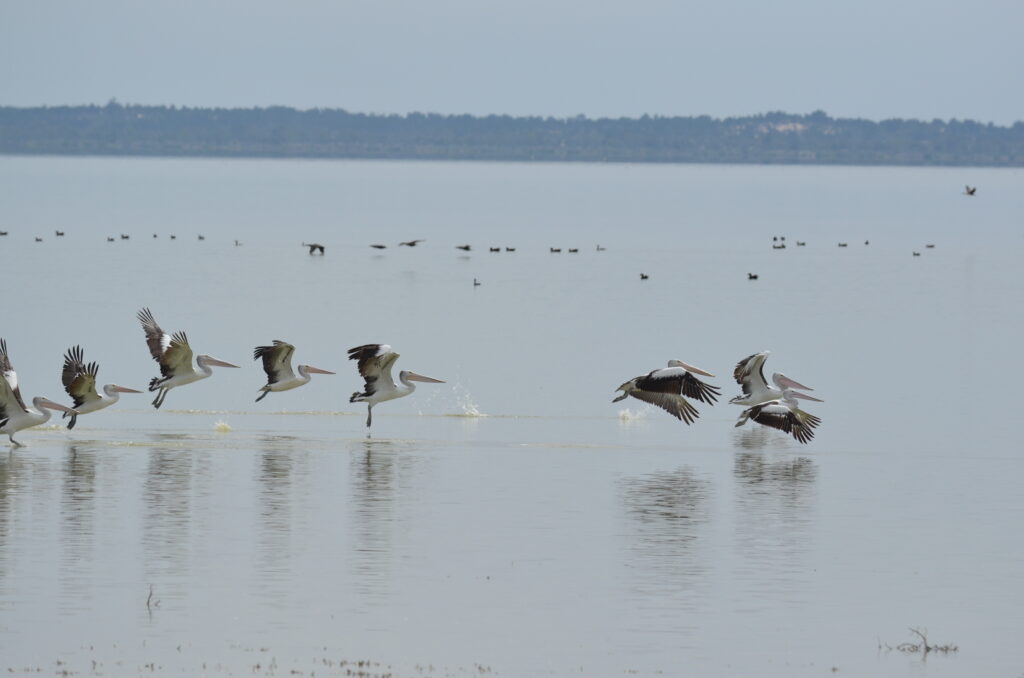
  • Providing feeding and roosting areas for native and migratory birds
  • Giving valuable pasture for stock during dry times, and sometimes when they are flooded
  • Encouraging a wide variety of bird life, some of which may be quite rare. Some will undoubtedly help control farm insect pests.

What is Wimmera CMA doing for our wetlands?

Wimmera CMA has a role in the management of wetlands, which mainly includes protecting their ecological, social and economic values.

Wimmera CMA has gathered a great deal of data to help understand the region's wetlands, how to sustainably manage them and to communicate this information to people who have a role in managing these sites. Key wetland projects have included compiling historic wetland data, assessing current wetland condition and determining a method of assessing wetland condition.

Approximately 90% of wetlands in the Wimmera are on private property. Therefore, landholders play an important role in the conservation and protection of wetland health.

In 2005, Wimmera CMA undertook a study to gain an understanding of the social and economic drivers of why landholders chose to engage in wetland rehabilitation. Community awareness and education activities have been guided by the outcomes of this study and have included World Wetlands Day Celebrations, landholder field days and workshops, wetland management demonstration sites, field guides, fact sheets and local government support tools  such as Environmental Significance Overlays.

If you would like any further information about wetlands, please contact Wimmera CMA

Wetland resources

Wimmera CMA has many wetland resources available to the community including films, glovebox guides, special publications and fact sheets. To find out more phone Wimmera CMA on 5382 1544.

View our Wetland Asset Strategy for 2011 - icon Wimmera CMA - Wetland Asset Strategy 2011 (1.66 MB)